

The First 90 Days: Why Onboarding Recognition is Your Best Retention Strategy
Here's a stat that might keep you up at night: 86% of new hires decide whether to stay at your clinic during their first 90 days.
Not their first year. Not after their first performance review. Within three months, your newest team member has already mentally checked a box, "I'm staying" or "I'm already browsing Indeed."
And in veterinary medicine? Where burnout runs rampant and turnover costs can hit $20,000+ per employee? Those first 90 days aren't just important. They're everything.
The good news? You have way more control over this than you think. And it starts with something deceptively simple: recognition from Day One.
Why Day One Sets the Tone for the Next 90 Days
Think back to your first day at a new job. Maybe any job. Do you remember how it felt?
If you walked in to find your desk prepped, your name spelled correctly on something (anything!), and someone genuinely excited to see you, that feeling stuck with you. You felt like you belonged before you even clocked in.
Now flip it. Maybe you showed up and no one knew you were starting. Your login didn't work. You sat in a corner for three hours while everyone scrambled. That feeling stuck too, didn't it?
Day One recognition isn't about throwing confetti. It's about sending a clear message: We prepared for you. We're glad you're here. You matter.
According to research from MIT Sloan Management Review, employees who feel competent and welcomed in their first month are 50% less likely to leave within six months. That's not fluff, that's retention math.
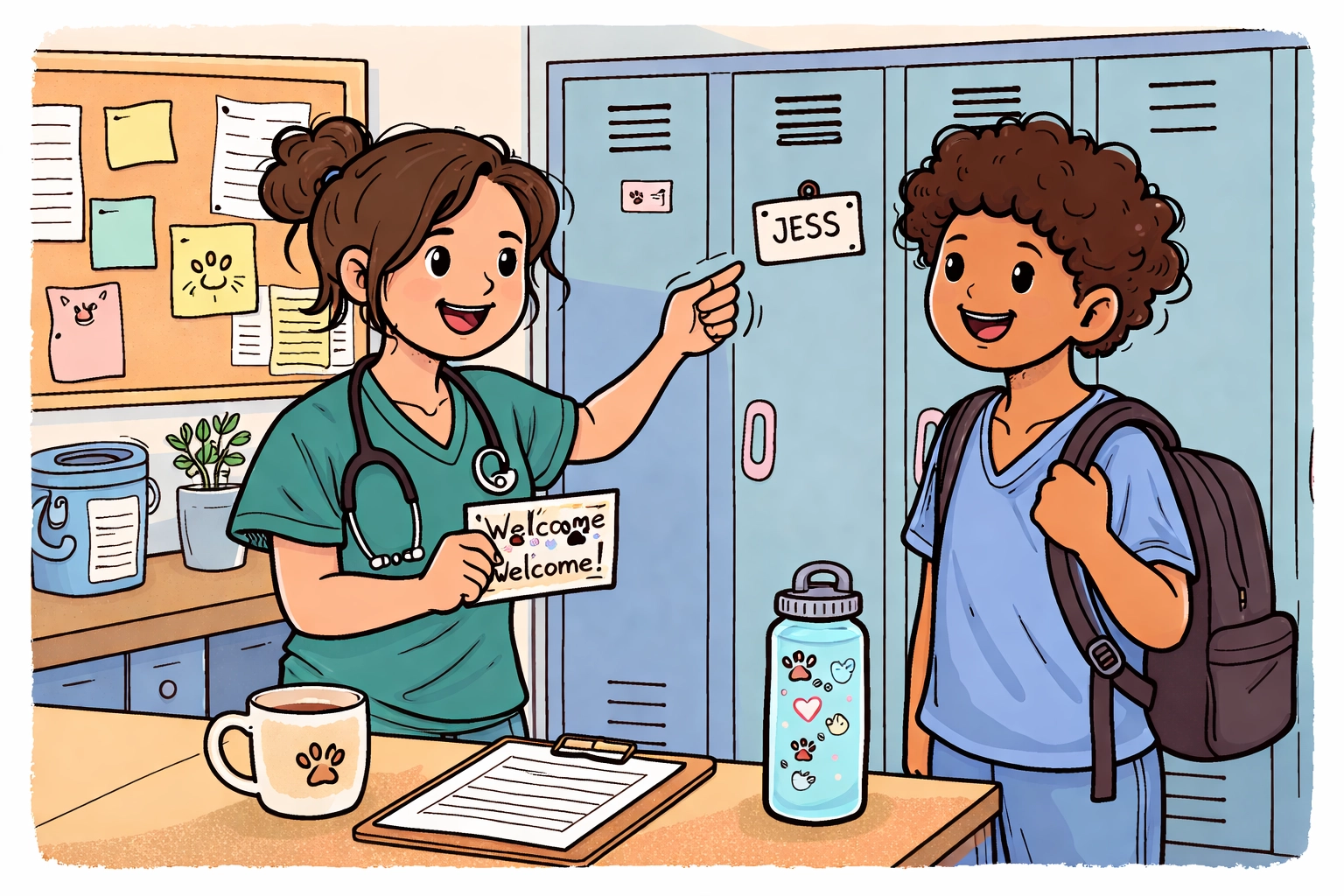
The Day One Welcome: Setting Up Their Space (and Their Confidence)
Let's get practical. What does a recognition-forward Day One actually look like?
Before they even arrive:
- Their desk or locker is set up and ready
- A small welcome kit is waiting (think: a fun pen, a notecard from the team, maybe a sticker that says "I survived my first shift")
- Someone on the team is assigned as their Day One buddy, not just for training, but for lunch, for questions, for making them feel human
When they walk in:
- A quick team introduction that's actually warm (not the awkward "this is Sarah, she's new, okay back to work" energy)
- A welcome note from their manager, handwritten if possible, even just a few sentences
- Something tangible that says "you're part of this team now"
This isn't about elaborate gestures. It's about intentionality. When someone sees that you thought about their arrival, they immediately feel more invested in staying.
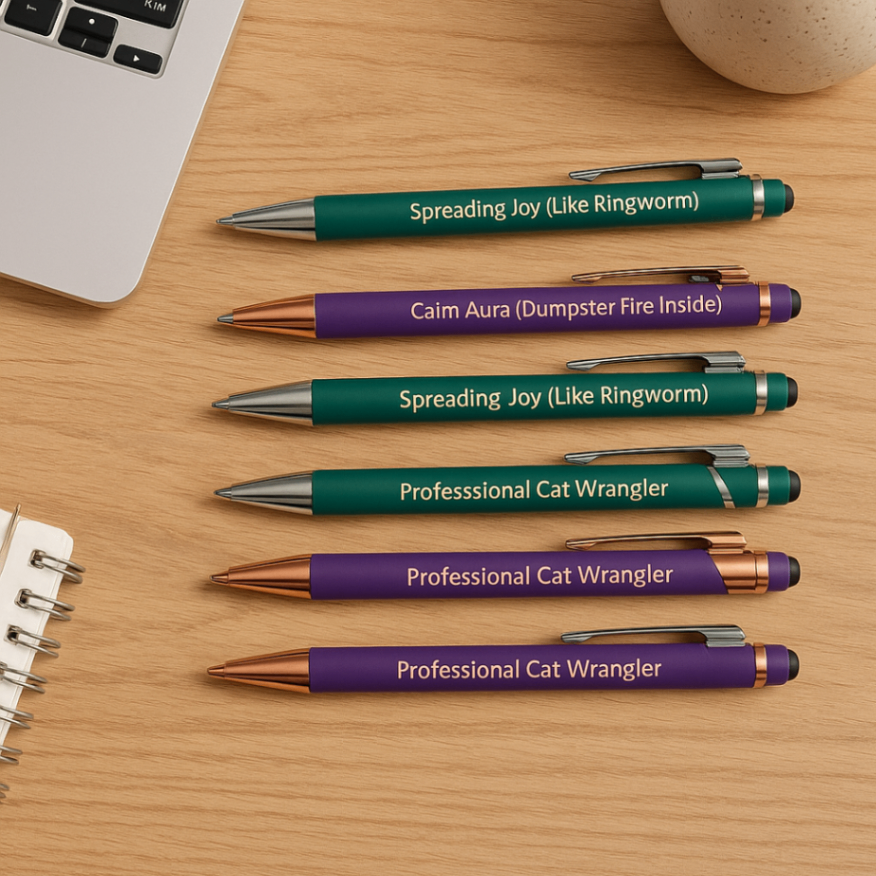
The Hospital Recognition Starter Pack was literally designed for moments like this. Pre-loaded with notecards, fun vet-themed stickers, pens that'll make them laugh ("Calm Aura, Dumpster Fire Inside," anyone?), and a guidebook to help managers keep the momentum going, it takes the guesswork out of making new hires feel seen.
The 30/60/90-Day Milestone System: Recognition That Builds Retention
Here's where most clinics drop the ball. Day One goes well, everyone feels good... and then nothing. The new hire gets absorbed into the chaos, and suddenly it's month three and no one's checked in beyond "you doing okay?"
Structured milestones change that.
The Hospital Recognition Guidebook breaks down exactly what recognition should look like at each stage, and why it matters:
30 Days: "You're Finding Your Footing"
At the one-month mark, your new team member is past the initial overwhelm but still figuring things out. This is the perfect time for:
- A quick check-in conversation (not a formal review, just a genuine "how's it going?")
- A handwritten note acknowledging something specific they've done well
- A small token of appreciation, a sticker for their water bottle, a notecard that celebrates a skill they're developing
The goal here is reinforcement. They're learning, they're trying, and they need to know someone noticed.
60 Days: "You're Contributing"
By day 60, your new hire is starting to hit their stride. They're taking on more responsibility, building relationships with the team, and (hopefully) feeling more confident.
This milestone is about acknowledging growth:
- Recognize a specific contribution they've made to the team
- Ask about their experience so far, what's working, what's challenging
- Consider a peer recognition moment (maybe a team shoutout or a "kudos" note from a coworker)
Research shows that gamification and peer recognition during onboarding significantly boost engagement. When employees see that their progress is visible and valued, they lean in harder.
90 Days: "You Belong Here"
The 90-day mark is huge. This is statistically where the "stay or go" decision crystallizes.
At this point, recognition should feel like celebration:
- A formal (but still warm) check-in about their first quarter
- A tangible milestone gift, maybe a badge from the VetStar system, a notecard set of their own to pass recognition forward, or simply a heartfelt note from leadership
- An explicit statement: "We're glad you're here, and we see a future with you on this team."
This isn't just nice to do. Companies with structured onboarding processes that include recognition and feedback improve retention by 82%. That's not a typo. Eighty-two percent.
Why "Random Acts of Appreciation" Aren't Enough
Here's the thing about recognition: sporadic pizza parties and the occasional "good job!" don't move the needle. Not really.
What does work is systems over random acts.
When recognition is built into your onboarding process, when it's scheduled, intentional, and specific, it stops being something you "try to remember" and becomes part of your culture. One easy way to keep it going past day 90: the Two Notes Tuesday habit.
The Hospital Recognition Guidebook lays out exactly how to do this:
- Scheduled touchpoints so recognition doesn't fall through the cracks
- Specific prompts so you're not staring at a blank notecard wondering what to write
- Tangible tools (notecards, stickers, badges) so recognition feels real, not just verbal
It's not about adding more to your plate. It's about making recognition automatic, so your new hires feel valued without you having to reinvent the wheel every time.
The Math That Matters
Let's talk numbers for a second. Because when you're running a clinic, "feel-good" initiatives need to actually make sense.
Turnover in vet med is expensive. Between recruiting, hiring, training, and the productivity loss while someone gets up to speed, replacing a single team member can cost $15,000–$25,000 or more.
Now compare that to the cost of a structured recognition program. A welcome kit. A few notecards. Fifteen minutes of intentional check-ins at 30, 60, and 90 days.
The ROI isn't even close.
When you invest in recognition during onboarding, you're not just being nice. You're protecting your bottom line and building a team that actually wants to stay.
Ready to Build a 90-Day System That Works?
If you're reading this and thinking, "Okay, but where do I even start?": that's exactly why the Hospital Recognition Starter Pack exists.
It's got everything you need to make Day One memorable, keep the momentum going through 30/60/90-day milestones, and build a recognition culture that doesn't depend on you remembering to do it.
Because your team deserves more than survival mode. They deserve to feel seen: starting from the moment they walk through your doors. 🎉
Want to nail the first 90 days? The Hospital Recognition Starter Pack gives new hires a Day One welcome, the Hospital Recognition Guidebook maps out the 30/60/90 milestones, and our team bundles keep recognition consistent past the honeymoon phase.
Related from the Vet Culture Brief
- The ROI of a Thank You: Why Your Clinic is Hemorrhaging Techs (and How to Stop It): the full cost of losing a tech, and how recognition cuts it.
- Two Notes Tuesday: The 15-Minute Weekly Habit That Prevents Veterinary Burnout: the weekly system that keeps recognition alive long after onboarding.